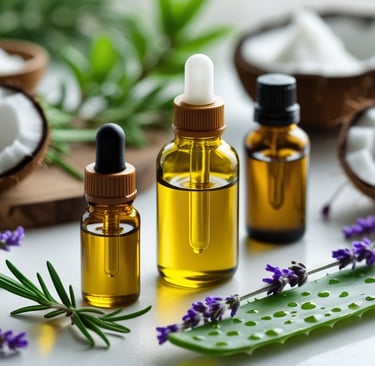
Many people turn to natural hair growth oils hoping for longer, thicker hair in less time. Shelves and social feeds promote them as simple solutions, but the real results depend on how they work and how someone uses them.
Natural hair growth oils do not directly speed up hair growth, but they can support a healthy scalp, reduce breakage, and create better conditions for stronger hair over time. Oils nourish the scalp, seal in moisture, and protect strands from damage, which helps hair retain length.
Understanding which oils offer real benefits, how to apply them properly, and what myths to ignore makes a clear difference. With the right approach, they become part of a practical routine rather than a false promise.
Understanding Natural Hair Growth Oils
Natural hair growth oils support the scalp, protect the hair shaft, and reduce breakage. Their effectiveness depends on ingredient quality, scalp condition, and consistent use rather than quick results.
What Are Natural Hair Growth Oils?
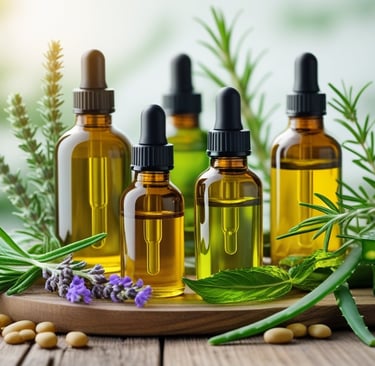
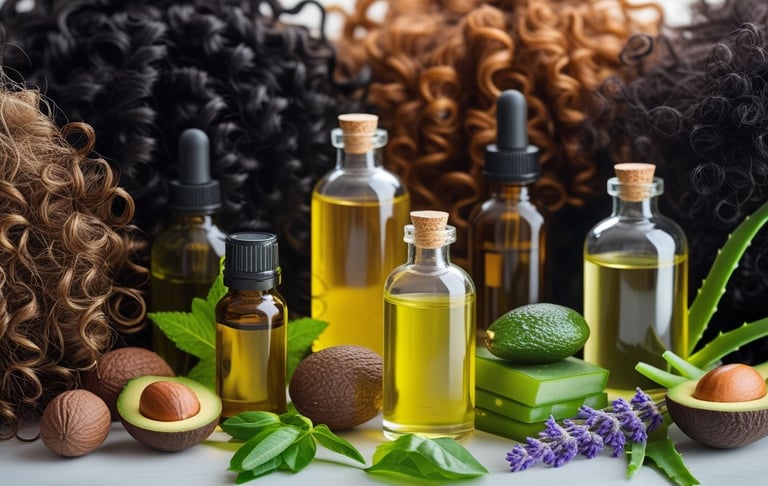
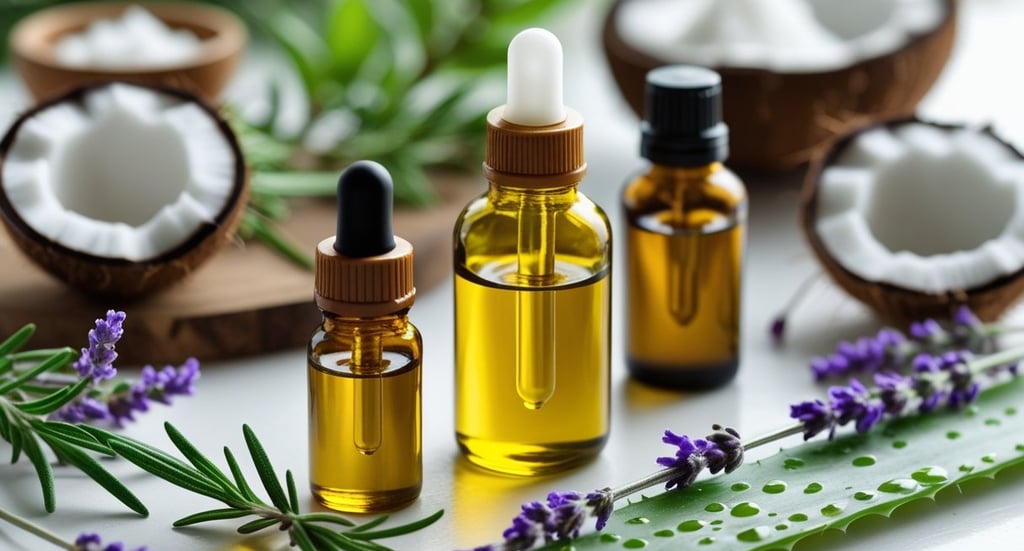
Natural hair growth oils are plant-derived oils applied to the scalp and hair to improve moisture balance and scalp condition. They include carrier oils and essential oils, each serving a specific role.
Carrier oils such as castor oil, coconut oil, jojoba oil, argan oil, and olive oil dilute essential oils and deliver nutrients to the scalp. They contain fatty acids, vitamins, and antioxidants that support the hair shaft and skin barrier.
Essential oils like rosemary, peppermint, and lavender contain concentrated plant compounds. Manufacturers typically dilute them to 1–2% in a carrier oil to avoid irritation.
These oils do not change genetic growth patterns. They support healthier conditions so hair can grow at its natural rate with less breakage and shedding.
How Natural Oils Promote Hair Growth
Hair grows from follicles located in the scalp. Healthy follicles require blood flow, balanced oil production, and minimal inflammation.
Certain oils, particularly rosemary oil, show evidence of supporting circulation to the scalp. Improved circulation may help deliver oxygen and nutrients to follicles.
Fatty acids in oils such as coconut and castor oil reduce protein loss from the hair shaft. Less protein loss means stronger strands and reduced breakage during washing or styling.
Some oils also help maintain the scalp microbiome. Their mild antimicrobial properties can reduce buildup linked to dandruff or irritation.
Consistent scalp massage during oil application may further stimulate circulation. Technique and routine often matter as much as the oil itself.
Key Benefits for Scalp and Hair Health
Natural oils primarily improve scalp condition and hair strength rather than directly accelerating growth.
Key benefits include:
Moisture retention: Oils seal water into the hair shaft, reducing dryness.
Reduced breakage: Stronger strands snap less during detangling.
Scalp barrier support: Lipids reinforce the skin’s protective layer.
Improved manageability: Smoother cuticles reduce friction and tangling.
Jojoba oil closely resembles natural scalp sebum. It helps balance oil production in both dry and oily scalps.
Castor oil contains ricinoleic acid, which may support scalp hydration. Coconut oil penetrates the hair shaft more effectively than many other oils due to its molecular structure.
Results depend on regular application, proper cleansing, and realistic expectations. Natural oils support healthier hair growth conditions rather than acting as standalone treatments.
Popular Types of Natural Hair Growth Oils
Several natural oils support healthier hair by reducing breakage, improving scalp condition, and protecting strands from damage. Each oil works differently based on its fatty acid profile, molecular size, and ability to absorb into the hair shaft or sit on the surface.
Castor Oil and Its Benefits
Castor oil contains a high concentration of ricinoleic acid, a fatty acid that supports scalp health. Its thick texture helps seal moisture into dry strands and reduce breakage at the ends.
Many people apply castor oil directly to the scalp to address dryness and flaking. While no strong clinical evidence proves it speeds up hair growth, it can create a healthier scalp environment that supports consistent growth cycles.
Its viscosity makes it effective as a sealing oil. However, it can feel heavy on fine or low‑porosity hair.
Key characteristics:
Very thick consistency
Best for coarse, dry, or high‑porosity hair
Often used in small amounts or blended with lighter oils
Proper dilution improves spreadability and reduces buildup.
Argan Oil Explained
Argan oil comes from the kernels of the argan tree and contains vitamin E, oleic acid, and linoleic acid. These compounds help protect hair from oxidative stress and environmental damage.
It works well as a lightweight finishing oil. Many people use it to smooth frizz, add shine, and reduce split ends without weighing hair down.
Argan oil does not directly stimulate hair follicles. Instead, it improves strand flexibility and reduces breakage, which supports length retention over time.
It suits most hair types, especially fine to medium textures.
Common uses include:
Heat styling protection
Leave‑in shine serum
Scalp massage oil in small amounts
Its light texture makes it easy to distribute evenly.
Coconut Oil for Hair Growth
Coconut oil contains lauric acid, a fatty acid with a low molecular weight. This allows it to penetrate the hair shaft more effectively than many other oils.
Studies show coconut oil reduces protein loss in both damaged and undamaged hair. Less protein loss means stronger strands and fewer weak points along the shaft.
People often use it as a pre‑wash treatment. Applying it before shampooing helps limit moisture loss during cleansing.
However, coconut oil can feel stiff on protein‑sensitive or low‑porosity hair. In those cases, it may cause dryness instead of softness.
Best practices:
Apply to damp hair before washing
Use sparingly on fine hair
Avoid heavy daily layering
Proper use focuses on strengthening rather than coating.
Jojoba Oil Uses
Jojoba oil closely resembles the scalp’s natural sebum. This similarity allows it to balance oil production without clogging pores.
It works well for people with oily or acne‑prone scalps. Its lightweight structure hydrates without leaving a greasy film.
Jojoba oil does not directly increase hair growth speed. Instead, it helps maintain a clean, balanced scalp environment that supports healthy follicles.
It also softens the hair cuticle and improves manageability.
Why people choose jojoba oil:
Lightweight and non‑comedogenic
Suitable for sensitive scalps
Effective as a carrier oil for essential oils
Its mild profile makes it a practical option for regular scalp care.
How to Use Natural Hair Growth Oils Effectively
Proper use determines whether a natural oil supports growth or simply coats the hair. Technique, timing, and consistency matter more than the specific oil chosen.
Application Methods
He or she should apply oil directly to the scalp, not just the hair strands. Growth begins at the follicle, so the oil must reach the skin.
Start with clean, slightly damp hair. Use a dropper or fingertips to apply small amounts along visible part lines. A typical scalp requires 1–2 teaspoons, depending on hair density.
Massage the scalp for 3–5 minutes using firm but gentle pressure. Circular motions increase blood flow and help distribute the oil evenly.
For strand protection, smooth a small amount through the mid-lengths and ends. Focus on dry or damaged areas rather than saturating the entire shaft.
Some prefer a pre-shampoo treatment. In that case, apply oil to the scalp and hair, leave it on for 20–30 minutes, then wash thoroughly with a mild shampoo.
Avoid heavy layering. Excess oil can clog follicles and attract buildup.
Recommended Frequency
Most people benefit from applying natural hair oils 1–3 times per week. Frequency depends on scalp type and product weight.
Use this guide:
Scalp Type Suggested Frequency
Oily scalp 1 time per week
Normal scalp 1–2 times per week
Dry scalp 2–3 times per week
He or she should monitor how the scalp responds. Itching, flakes, or greasy residue may signal overuse.
Daily application rarely improves growth and often leads to buildup. Consistency matters more than frequency.
Allow at least one full wash cycle between heavier treatments. This keeps follicles clear and maintains scalp balance.
Tips for Maximizing Results
Always perform a patch test before full application. Natural oils can still trigger irritation or allergic reactions.
Warm the oil slightly before use. Place the bottle in warm water for a few minutes to improve spreadability and absorption.
Combine oil treatments with other supportive habits:
Maintain a balanced diet with adequate protein and iron
Limit excessive heat styling
Avoid tight hairstyles that strain the scalp
Cleanse regularly to prevent product buildup
He or she should also track progress over several months. Hair grows about 0.5 inches per month, so visible changes require patience.
Store oils in a cool, dark place. Exposure to heat and light can degrade active compounds and reduce effectiveness.
Myths and Misconceptions About Hair Growth Oils
Many claims about hair growth oils rely on incomplete science or marketing language. Clear information helps readers separate realistic benefits from unsupported promises.
Common Misinformation
Many people believe that oil applied to the scalp can directly speed up hair growth. Hair grows from follicles beneath the skin, and no topical oil can change the genetic growth rate.
Oils such as castor, coconut, and rosemary may improve scalp condition. They can reduce breakage, limit moisture loss, and support a healthier environment for hair strands. That support does not equal faster follicle activity.
Another common myth claims that “natural” automatically means safer or more effective. Essential oils can cause irritation, allergic reactions, or contact dermatitis when used undiluted. Dermatologists often recommend patch testing before regular use.
Marketing often promotes dramatic before-and-after images. These images rarely control for trimming, styling, lighting, or hair extensions.
What oils can realistically do:
Reduce dryness
Improve shine
Decrease friction and breakage
Support scalp moisture balance
They cannot permanently change hair density, reverse genetic hair loss, or replace medical treatment.
Misunderstanding Ingredient Labels
Many consumers misread labels and assume the first highlighted ingredient is the primary component. In reality, ingredients list in descending order by concentration.
A product labeled “argan oil blend” may contain mostly mineral oil with a small amount of argan oil. Reading the full ingredient list reveals the actual formula.
Terms like infused with, fortified with, and enriched by have no standardized meaning. They do not indicate effective concentration.
Consumers should watch for:
High alcohol content, which may dry the scalp
Undiluted essential oils
Heavy occlusive oils that may build up on fine hair
Understanding label order and terminology helps readers evaluate claims based on composition, not branding language.
Safety, Side Effects, and Precautions
Natural hair growth oils can irritate the scalp or trigger allergic reactions if used without care. Proper testing and informed use reduce the risk of redness, itching, shedding, or scalp inflammation.
Potential Allergic Reactions
Plant-based oils contain active compounds that can irritate sensitive skin. Essential oils such as peppermint, rosemary, and tea tree pose a higher risk because they are highly concentrated.
Common signs of a reaction include:
Redness or rash
Burning or stinging
Swelling
Persistent itching
Flaking or increased shedding
A mild tingling sensation may occur with stimulating oils, but sharp pain or prolonged discomfort signals irritation. They should stop use immediately if symptoms appear.
People with eczema, psoriasis, seborrheic dermatitis, or a history of contact dermatitis face greater risk. Fragrance blends and nut-derived oils, such as almond oil, can also trigger allergic responses in sensitive individuals.
Applying large amounts or leaving oils on the scalp for extended periods increases the chance of clogged follicles and scalp buildup. Heavy oils may worsen dandruff or folliculitis in some users.
How to Perform Patch Testing
Patch testing helps identify reactions before full scalp application. It takes little time and lowers the risk of widespread irritation.
They should apply a small amount of the diluted oil to a discreet area, such as:
Behind the ear
The inner forearm
Leave the product on for 24 hours without washing the area. Watch for redness, itching, swelling, or blistering.
If using essential oils, they must dilute them in a carrier oil first. A common guideline is 1–2 drops of essential oil per teaspoon of carrier oil.
No visible reaction after 24 hours suggests the product is likely safe for scalp use. If irritation develops, they should wash the area with mild soap and discontinue use.