Non-Toxic Skincare Swaps Every Woman Should Make for Healthier Skin in 2026
The essential non-toxic skincare swaps every woman should make in 2026 for healthier, more radiant skin. Learn about simple ingredient changes that support your skin naturally and reduce everyday chemical exposure.
Natsher Grant
3/5/2026
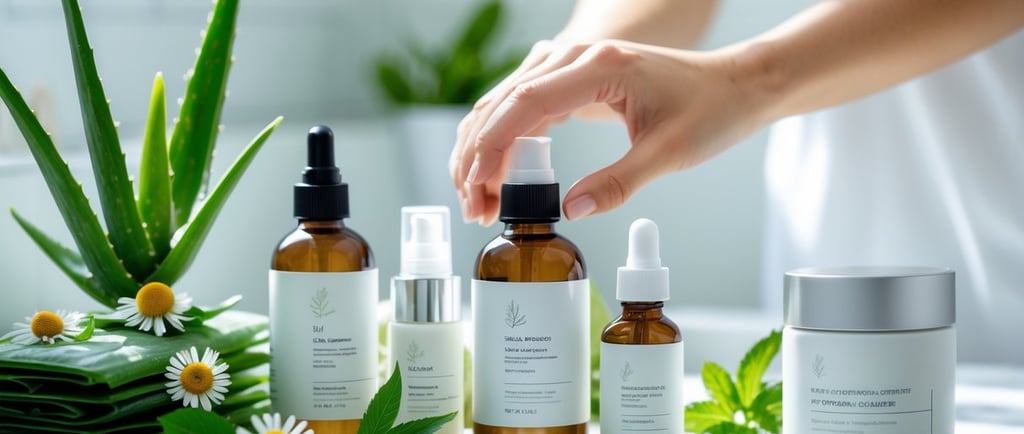
The skincare products many women use daily contain harmful chemicals that can disrupt hormones, irritate skin, and accumulate in the body over time. Switching to non-toxic alternatives doesn't require throwing out an entire beauty routine—it simply means making informed swaps that protect health without sacrificing results. These changes can reduce exposure to questionable ingredients while often improving skin quality.
Understanding which ingredients to avoid and what cleaner options exist makes the transition straightforward. Many conventional products contain parabens, phthalates, synthetic fragrances, and other substances linked to health concerns. Fortunately, effective alternatives now exist for every step of a skincare routine.
Making these swaps doesn't happen overnight, but starting with the most-used products creates immediate impact. From cleansers and moisturizers to body care and hair products, non-toxic options have become more accessible and affordable than ever before.
Why Non-Toxic Skincare Matters
Skincare products absorb into the skin and enter the bloodstream within seconds of application. The chemicals in conventional formulas can disrupt hormones, trigger allergic reactions, and accumulate in waterways.
Health Benefits of Non-Toxic Ingredients
Non-toxic skincare ingredients work with the skin's natural biology rather than against it. Plant-based oils, minerals, and botanicals provide vitamins, antioxidants, and fatty acids that support skin barrier function and cellular repair.
These formulas reduce the risk of contact dermatitis, inflammation, and sensitivity reactions. Women who switch to non-toxic products often report clearer skin, fewer breakouts, and reduced redness within 2-4 weeks.
Non-toxic ingredients also eliminate exposure to endocrine disruptors. The skin absorbs up to 60% of what gets applied to it, making ingredient selection a health priority rather than just a beauty choice.
Potential Risks of Conventional Skincare Products
Conventional skincare often contains synthetic fragrances, parabens, phthalates, and formaldehyde-releasing preservatives. These chemicals have been linked to hormone disruption, reproductive issues, and increased cancer risk in multiple studies.
The FDA does not require safety testing before skincare products reach store shelves. Companies can use thousands of chemicals without proving they are safe for long-term use on human skin.
Environmental Impact of Skincare Chemicals
Skincare products wash down drains and enter water systems daily. Chemical sunscreen ingredients like oxybenzone and octinoxate contribute to coral reef bleaching and marine ecosystem damage.
Microplastics from exfoliating scrubs accumulate in oceans and fish tissues. Studies have found these particles in drinking water supplies and human blood samples.
Non-biodegradable preservatives and synthetic musks persist in the environment for years. They accumulate in aquatic wildlife and disrupt reproductive systems in fish and amphibians. Choosing biodegradable, reef-safe formulas reduces this environmental burden significantly.
Common Chemicals to Avoid
Parabens (methylparaben, propylparaben, butylparaben) function as preservatives but mimic estrogen in the body. Studies have detected parabens in breast tumor tissue, raising concerns about their safety in personal care products.
Phthalates help fragrances last longer but are known endocrine disruptors. They often hide under the term "fragrance" or "parfum" on ingredient lists.
Formaldehyde-releasing preservatives like DMDM hydantoin, diazolidinyl urea, and quaternium-15 slowly release formaldehyde over time. This known carcinogen can cause allergic skin reactions and respiratory irritation.
Synthetic fragrances can contain dozens of undisclosed chemicals, many of which trigger allergies and migraines. The term "fragrance" legally protects manufacturers from disclosing specific ingredients.
Sodium lauryl sulfate (SLS) creates foam in cleansers but strips the skin's natural oils and causes irritation. Its cousin, sodium laureth sulfate (SLES), may be contaminated with 1,4-dioxane during manufacturing.
How to Read Skincare Labels Properly
Ingredients appear in descending order by weight, with the highest concentrations listed first. The first five ingredients typically make up 60-80% of the product's formula.
Water usually appears first in most skincare products. Active ingredients should appear within the first third of the list to be present in meaningful concentrations.
Ingredients present at less than 1% can be listed in any order after the 1% threshold. This typically occurs after preservatives in the ingredient list.
"Fragrance" or "parfum" can mask hundreds of chemicals. Women seeking truly clean products should look for "fragrance-free" rather than "unscented," which may contain masking fragrances.
Any ingredient ending in -paraben, -ethanol, or -siloxane warrants scrutiny. These suffixes often indicate potentially problematic chemicals.
Understanding the Dirty Dozen in Beauty Products
The Environmental Working Group identifies twelve ingredient categories that pose significant health risks:
BHA and BHT - Synthetic antioxidants that act as endocrine disruptors
Coal tar dyes - Listed as p-phenylenediamine or colors with "CI" followed by numbers
DEA, MEA, and TEA - Emulsifiers linked to organ toxicity
Dibutyl phthalate - Plasticizer in nail polish connected to reproductive issues
Formaldehyde - Preservative classified as a human carcinogen
Petroleum distillates - Found in mascara and linked to cancer
Polyethylene glycols (PEGs) - Penetration enhancers that may be contaminated with carcinogens
Siloxanes - Moisturizing agents that disrupt hormones (cyclotetrasiloxane, cyclopentasiloxane)
Synthetic musks - Fragrance components that accumulate in body tissues
Talc - Mineral that may contain asbestos contamination
Toluene - Solvent in nail polish affecting the nervous system
Triclosan - Antibacterial agent contributing to antibiotic resistance
These ingredients appear in everything from moisturizers to makeup. Checking products against this list helps women eliminate the most concerning chemicals from their skincare routines.
Essential Non-Toxic Skincare Swaps
Switching to non-toxic skincare involves replacing conventional products that contain synthetic fragrances, parabens, phthalates, and sulfates with cleaner alternatives. The most impactful changes focus on daily-use products like cleansers, moisturizers, and sun protection.
Cleaner Facial Cleansers and Makeup Removers
Traditional cleansers often contain sodium lauryl sulfate (SLS) and synthetic fragrances that can disrupt the skin barrier. Women should look for oil-based cleansers with ingredients like jojoba oil, sweet almond oil, or micellar water made with minimal additives.
For makeup removal, reusable cotton rounds paired with plant-based oils work effectively without harsh chemicals. Cream cleansers containing coconut-derived surfactants offer gentle cleansing without stripping natural oils.
Better ingredient choices include:
Glycerin from vegetable sources
Castile soap (olive oil-based)
Decyl glucoside (sugar-derived cleanser)
Women with sensitive skin benefit most from fragrance-free formulas that use botanical extracts like chamomile or calendula for soothing properties.
Natural Moisturizers and Serums
Conventional moisturizers frequently contain petroleum-based ingredients, synthetic preservatives, and artificial fragrances. Plant-based alternatives using shea butter, rosehip oil, or squalane from olives provide effective hydration.
Serums with vitamin C from kakadu plum or hyaluronic acid from plant fermentation deliver active benefits without questionable additives. Women should avoid products listing "fragrance" or "parfum" on labels, as these terms can hide dozens of unlisted chemicals.
Key ingredients to seek:
Rosehip seed oil for vitamin A and essential fatty acids
Niacinamide for barrier support
Peptides from rice or soy for firmness
Glass packaging helps preserve ingredient integrity better than plastic containers that may leach chemicals into products.
Safe Sunscreen Alternatives
Chemical sunscreens containing oxybenzone and octinoxate have raised concerns about hormone disruption and coral reef damage. Mineral sunscreens using non-nano zinc oxide or titanium dioxide provide broad-spectrum protection without systemic absorption.
Women should select formulas with zinc oxide concentrations between 15-25% for adequate SPF coverage. Tinted versions help minimize the white cast common in mineral formulas.
Mineral sunscreen benefits:
Immediate protection upon application
Less likely to cause skin irritation
Reef-safe when using non-nano particles
Daily application remains necessary even with cleaner formulations, as mineral sunscreens work by sitting on the skin's surface to reflect UV rays.
Swapping for Safe Body and Hair Care
Body wash, lotions, deodorants, and hair care products often contain problematic ingredients like parabens, phthalates, and synthetic fragrances that absorb through the skin. Making cleaner swaps in these daily-use categories reduces long-term exposure to endocrine disruptors and irritants.
Non-Toxic Body Wash and Lotions
Traditional body washes frequently contain sodium lauryl sulfate (SLS), synthetic fragrances, and formaldehyde-releasers. These ingredients can strip skin's natural oils and cause irritation or allergic reactions.
Clean body wash alternatives use gentle cleansers like decyl glucoside or coco-glucoside derived from coconut. Brands such as Beautycounter, Branch Basics, and Dr. Bronner's offer effective formulas without harsh sulfates.
For lotions, women should avoid products with petroleum-based ingredients, synthetic fragrances, and parabens. Safe alternatives contain nourishing ingredients like shea butter, jojoba oil, and vitamin E.
Key ingredients to look for:
Natural emollients (cocoa butter, mango butter)
Brands like Pipette, Primally Pure, and Weleda formulate lotions with minimal, recognizable ingredients that hydrate without synthetic chemicals.
Better Deodorant Options
Conventional deodorants and antiperspirants contain aluminum compounds, which block sweat glands but may accumulate in tissue. Many also include parabens, triclosan, and synthetic fragrances that can disrupt hormones.
Natural deodorants work differently by neutralizing odor-causing bacteria without blocking sweat. They typically use ingredients like baking soda, arrowroot powder, or magnesium to absorb moisture and essential oils for antibacterial properties.
Popular clean deodorant brands include Native, Schmidt's, and Each & Every. Some formulas are baking soda-free for sensitive skin, using alternatives like magnesium hydroxide instead.
The transition period from conventional to natural deodorant usually lasts 2-4 weeks as the body adjusts and releases built-up toxins. Women may experience increased sweating or odor initially, which normalizes with continued use.
Healthier Hair Care Product Choices
Shampoos and conditioners often contain sulfates (SLS, SLES), silicones, and synthetic fragrances that can irritate the scalp and damage hair over time. Silicones create temporary smoothness but build up on hair, preventing moisture absorption.
Clean shampoo alternatives use gentle cleansers like sodium cocoyl isethionate or lauryl glucoside. Conditioners replace silicones with natural conditioning agents like cetearyl alcohol (a fatty alcohol, not drying) and plant oils.
Ingredients to avoid in hair products:
Sulfates (SLS, SLES)
Dimethicone and other silicones
Synthetic dyes (FD&C, D&C colors)
Formaldehyde and formaldehyde-releasers
Brands like Innersense, Rahua, and Act+Acre formulate with botanical ingredients that clean and condition without stripping hair. Women with color-treated hair should look for products specifically labeled as color-safe and sulfate-free to maintain vibrancy.
Styling products like hairsprays and gels also benefit from cleaner formulations. Options from brands like Yarok and Captain Blankenship use plant-based hold and natural preservatives instead of aerosol propellants and synthetic polymers.
Tips for Transitioning to a Non-Toxic Skincare Routine
Making the switch doesn't require throwing out every product at once or spending a fortune on replacements. A strategic approach focuses on replacing high-priority items first, shopping within budget constraints, and identifying trustworthy brands through reliable certifications.
How to Switch Gradually
Start by replacing products that stay on the skin longest. Night creams, serums, and moisturizers should be first priorities since they absorb into skin for hours without being washed off.
Next, swap out items used near sensitive areas. Eye creams and lip products deserve attention because the skin around eyes is thinner and lips absorb ingredients directly into the body.
Replace one product at a time to monitor how skin responds. This method helps identify which formulations work best and prevents overwhelming the skin with multiple new ingredients simultaneously. Wait at least two weeks before introducing another new product.
Finish existing products before buying replacements when possible. This approach reduces waste and spreads out the financial investment. However, discard any product immediately if it causes irritation or contains particularly harmful ingredients like formaldehyde-releasing preservatives.
Budget-Friendly Swapping Strategies
Focus spending on products used most frequently. Daily moisturizer and cleanser deserve investment over occasional face masks or specialty treatments.
Multi-purpose products reduce costs significantly:
Tinted moisturizers with SPF replace three separate products
Cleansing balms work as makeup removers and face wash
Face oils function as serums, moisturizers, and makeup primers
Shop for trial sizes or sample sets before committing to full-size versions. Many clean beauty brands offer discovery kits that cost less than one full-size product.
Subscribe to brand email lists for discount codes and sale notifications. Most non-toxic skincare companies offer 15-20% off first purchases or regular promotional periods.
Finding Certified Non-Toxic Brands
Look for third-party certifications that verify ingredient safety. EWG Verified, MADE SAFE, and NSF/ANSI 305 certifications require rigorous testing and ingredient review by independent organizations.
European brands often meet stricter safety standards since the EU bans over 1,600 ingredients in cosmetics compared to only 30 banned in the United States. Products meeting EU regulations provide an additional safety layer.
Read ingredient lists rather than relying solely on "natural" or "clean" marketing claims. These terms lack regulatory definitions and don't guarantee safety. The first five ingredients make up the majority of any formula, so prioritize checking those carefully.
Download ingredient-checking apps like Think Dirty or EWG's Healthy Living app. These tools scan product barcodes and provide safety ratings based on ingredient research and toxicity data.