Natural Remedies for Postpartum Hair Thinning: Evidence-Based Solutions for New Mothers
Struggling with postpartum hair thinning? Discover evidence-based natural remedies. From rosemary oil to nutrient support that help nourish your scalp, strengthen strands, and encourage healthy regrowth during your postpartum journey.
Natsher Grant
3/3/2026


Postpartum hair thinning affects up to 50% of new mothers, typically beginning two to four months after delivery. This temporary condition occurs due to hormonal shifts as the body returns to its pre-pregnancy state. While it can be distressing, most women see their hair return to normal density within six to twelve months.
Natural remedies including dietary changes, scalp massage, and specific nutrient-rich foods can support hair regrowth and minimize the appearance of thinning during the postpartum period. These approaches work by nourishing hair follicles, improving circulation, and addressing nutritional deficiencies common after childbirth.
Understanding the underlying causes of postpartum hair loss helps mothers choose the most effective natural treatments for their situation. This article explores evidence-based remedies, practical lifestyle modifications, and guidance on when medical consultation becomes necessary.
Understanding Postpartum Hair Thinning
Postpartum hair thinning affects approximately 40-50% of new mothers, typically beginning 2-4 months after delivery and resolving within 6-12 months. This temporary condition results from hormonal shifts that interrupt the normal hair growth cycle.
Causes and Risk Factors
During pregnancy, elevated estrogen levels prolong the hair's growth phase, resulting in thicker, fuller hair. After delivery, estrogen drops rapidly to pre-pregnancy levels, causing hair follicles to enter the shedding phase simultaneously.
This synchronized shedding creates noticeable thinning around the hairline, temples, and crown. The technical term for this condition is telogen effluvium, which refers to excessive hair loss following a triggering event.
Primary risk factors include:
Cesarean delivery or complicated births
Iron deficiency or anemia
Thyroid dysfunction
Severe blood loss during delivery
Pre-existing nutritional deficiencies
Family history of postpartum hair loss
Common Symptoms
Women experiencing postpartum hair thinning notice increased hair in their brush, shower drain, or on their pillow. The most common pattern involves recession at the temples and general thinning across the scalp.
The hairline may appear thinner or more sparse than before pregnancy. Some women lose 300-500 hairs daily during peak shedding, compared to the normal 50-100 hairs per day.
Visible scalp through the hair, particularly under bright lighting, is another frequent complaint. The hair may also feel less dense when gathered into a ponytail or bun.
Typical Timeline and Recovery
Hair shedding typically begins 2-4 months postpartum, peaks around 4-6 months, and gradually decreases by 8-12 months. Most women regain their pre-pregnancy hair density within 12-18 months after giving birth.
New growth appears as short "baby hairs" along the hairline and part. These regrowth hairs may initially appear frizzy or stand up from the scalp before reaching sufficient length to blend with existing hair.
Recovery time varies based on individual factors like nutritional status, stress levels, and overall health. Women who breastfeed may experience slightly prolonged shedding due to continued hormonal fluctuations.
Most Effective Natural Remedies
Postpartum hair thinning responds well to targeted nutritional interventions, topical treatments, and physical stimulation methods. These approaches work by addressing nutrient deficiencies, improving blood circulation to the scalp, and supporting the hair growth cycle.
Nutritional Support and Diet Recommendations
Protein intake plays a critical role in hair regeneration, as hair follicles require adequate amino acids to produce keratin. New mothers should aim for 75-100 grams of protein daily from sources like eggs, lean meats, legumes, and Greek yogurt.
Iron deficiency commonly contributes to postpartum hair loss, particularly in women who experienced significant blood loss during delivery. Foods rich in iron include spinach, red meat, lentils, and fortified cereals. Pairing iron-rich foods with vitamin C sources enhances absorption.
Biotin, zinc, and omega-3 fatty acids support hair follicle health and reduce inflammation. Salmon, walnuts, and flaxseeds provide omega-3s, while pumpkin seeds and chickpeas offer zinc. B-complex vitamins from whole grains and leafy greens help regulate hormone levels that affect hair growth.
Women who are breastfeeding should continue prenatal vitamins to maintain adequate nutrient levels. Hydration also matters, as dehydration can weaken hair shafts and slow growth.
Scalp Massage Techniques
Daily scalp massage increases blood flow to hair follicles, which delivers oxygen and nutrients necessary for growth. Using fingertips, one should apply gentle pressure in circular motions across the entire scalp for 5-10 minutes.
The massage should cover all areas: the hairline, crown, sides, and back of the head. Applying light to moderate pressure stimulates without causing discomfort or hair breakage.
Performing these massages during hair washing amplifies benefits, as the warm water already promotes circulation. Some women incorporate massage tools with soft silicone bristles for consistent pressure distribution. Consistency matters more than duration—regular daily sessions yield better results than occasional longer sessions.
Essential Oils for Hair Health
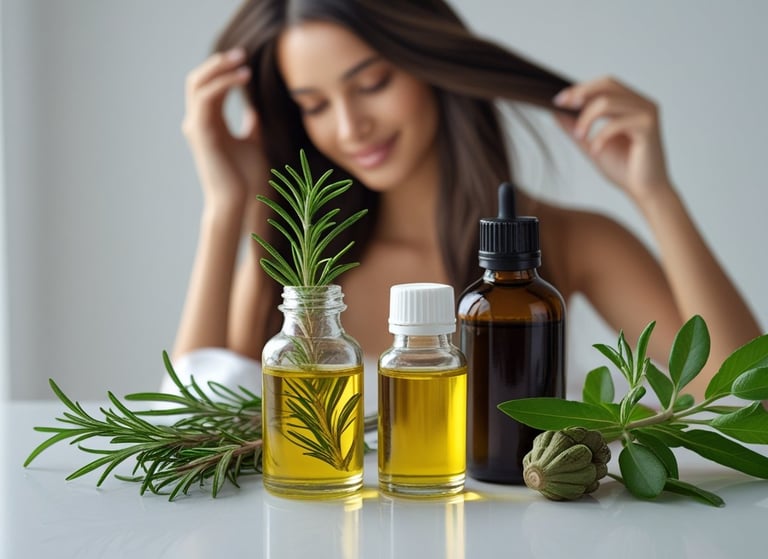
Rosemary oil demonstrates effectiveness comparable to minoxidil in some studies, promoting hair growth by improving cellular metabolism. Users should dilute 3-4 drops in a carrier oil like jojoba or coconut oil before applying to the scalp.
Peppermint oil increases blood circulation and may extend the growth phase of hair follicles. It creates a tingling sensation that indicates increased blood flow to the area.
Lavender oil offers antimicrobial properties that maintain scalp health while reducing stress-related hair loss. Cedarwood oil balances oil production in the scalp and possesses antifungal properties.
Application method: Mix chosen essential oils with carrier oils and massage into the scalp, leaving on for 30 minutes to overnight before washing. Patch testing prevents allergic reactions.
Herbal Treatments
Saw palmetto may block DHT, a hormone linked to hair loss, though pregnant or breastfeeding women should consult healthcare providers before use. It comes in supplement form or as a topical treatment.
Aloe vera soothes the scalp and removes sebum buildup that can block follicles. Fresh aloe gel applied directly to the scalp provides enzymes that promote healthy hair growth.
Fenugreek seeds contain hormone precursors and proteins that strengthen hair. Soaking seeds overnight and grinding them into a paste creates a treatment mask rich in nutrients. Green tea provides antioxidants that support follicle health and may reduce hair shedding when applied topically or consumed regularly.
Lifestyle Adjustments for Hair Restoration
Daily habits significantly influence postpartum hair regrowth, with stress management, adequate rest, and proper hair handling playing crucial roles in restoration.
Stress Reduction Practices
Elevated cortisol levels from chronic stress can prolong the telogen effluvium phase that causes postpartum hair loss. New mothers should incorporate specific stress-reduction techniques into their routines to support hormonal balance and hair follicle health.
Effective stress management methods include:
Deep breathing exercises for 5-10 minutes twice daily
Progressive muscle relaxation before bedtime
Brief meditation sessions during infant nap times
Light yoga or stretching for 15-20 minutes when possible
These practices help lower cortisol production and improve blood circulation to the scalp. Even short, consistent sessions provide measurable benefits for both mental health and hair recovery. Women who engage in regular stress reduction often notice improved hair density within 2-3 months.
Improving Sleep Quality
Sleep deprivation disrupts the hair growth cycle by interfering with cell regeneration and hormone regulation. The body repairs hair follicles primarily during deep sleep stages, making rest essential for restoration.
New mothers can optimize sleep through practical strategies. They should maintain a dark, cool bedroom environment and establish consistent sleep schedules when feasible. Taking brief 20-30 minute naps during daytime hours helps compensate for interrupted nighttime rest.
Sharing nighttime feeding responsibilities with a partner allows for longer uninterrupted sleep periods. Women should aim for a cumulative 7-8 hours of rest per day, even if achieved in segments.
Gentle Hair Care Habits
Postpartum hair requires delicate handling to minimize mechanical damage and breakage. Aggressive styling and harsh treatments can worsen the appearance of thinning during the recovery phase.
Women should use wide-toothed combs instead of brushes on wet hair and avoid tight hairstyles that create tension on follicles. Heat styling tools should be limited to once or twice weekly with heat protectant products applied beforehand.
Chemical treatments like coloring, perming, or relaxing should be postponed for at least 3-6 months postpartum. Loose braids, soft hair ties, and protective styles reduce daily manipulation. Air-drying hair when possible prevents heat damage while the follicles strengthen.
Supplements and Safe Home Treatments
Targeted nutritional supplements and gentle topical applications can support hair regrowth during the postpartum period. These approaches work by addressing nutrient deficiencies and nourishing hair follicles directly.
Vitamins and Minerals for Hair Growth
Biotin (vitamin B7) supports keratin production, with typical doses ranging from 2.5 to 5 mg daily. Iron supplementation helps when ferritin levels drop below 40 ng/mL, a common postpartum issue that contributes to hair loss.
Vitamin D plays a role in follicle cycling, and many postpartum women have insufficient levels. Testing before supplementation ensures appropriate dosing, typically between 1,000 and 4,000 IU daily.
Zinc supports hair tissue growth and repair. A daily dose of 15-30 mg can be beneficial, though excessive amounts may interfere with copper absorption.
Omega-3 fatty acids from fish oil or algae-based sources provide anti-inflammatory support. Marine collagen peptides, taken at 2.5-10 grams daily, may improve hair thickness and density after several months of consistent use.
Natural Topical Applications
Rosemary oil has demonstrated effectiveness comparable to 2% minoxidil in some studies. Mix 3-5 drops with a carrier oil like jojoba or coconut oil and massage into the scalp twice weekly.
Castor oil's ricinoleic acid content may promote scalp health. Apply it to the scalp and leave for 30 minutes before washing.
Aloe vera gel soothes the scalp and may reduce inflammation. Apply fresh gel or pure aloe products directly to problem areas. Peppermint oil diluted in a carrier oil can stimulate blood flow to follicles when massaged gently into the scalp.
Managing Shedding with Natural Products
Caffeine-based shampoos may extend the growth phase of hair follicles. Look for products containing at least 0.2% caffeine and leave them on the scalp for 2-3 minutes before rinsing.
Green tea rinses provide antioxidants that support scalp health. Brew strong green tea, cool it completely, and use it as a final rinse after shampooing.
Saw palmetto in topical formulations may block DHT, though evidence for its effectiveness is limited. Gentle scalp massage during washing increases circulation without requiring special products. Silk or satin pillowcases reduce friction-related breakage during sleep.
When to Seek Professional Advice
Postpartum hair thinning typically resolves on its own, but certain warning signs require medical evaluation, and natural remedies work best when combined appropriately with professional healthcare guidance.
Identifying Signs of Complications
Most postpartum hair loss peaks around four months after delivery and gradually improves. However, if hair loss continues beyond 12 months postpartum or worsens after six months, a healthcare provider should assess potential underlying conditions.
Signs requiring immediate medical attention include:
Sudden bald patches or patchy hair loss
Scalp inflammation, redness, or scaling
Hair loss accompanied by fatigue, unexplained weight changes, or cold intolerance
Excessive shedding of more than 300 hairs daily
These symptoms may indicate thyroid disorders, nutritional deficiencies, alopecia areata, or other medical conditions beyond normal postpartum changes. A dermatologist or endocrinologist can perform blood tests to check thyroid function, iron levels, vitamin D, and other hormonal markers.
Women with pre-existing conditions such as polycystic ovary syndrome or autoimmune disorders should consult their healthcare provider earlier if hair thinning seems excessive.
Integrating Natural Remedies with Medical Care
Natural remedies complement but should not replace professional medical care when underlying health issues exist. Healthcare providers can recommend which supplements are safe during breastfeeding and appropriate dosages for individual needs.
Some prescribed treatments like minoxidil or iron supplementation work more effectively when combined with natural approaches such as scalp massage and stress reduction. Women should inform their doctors about all supplements and topical treatments they use to avoid interactions.
A registered dietitian can create personalized nutrition plans that address specific deficiencies while supporting lactation needs. Dermatologists may suggest medical-grade treatments for severe cases while supporting the continued use of gentle, natural hair care practices.
Blood work results help determine whether natural iron sources suffice or if prescription supplements are necessary for conditions like iron-deficiency anemia.