Choosing Between Organic and Non Organic: A Science-Based Guide to Making Informed Food Decisions
The organic versus non-organic debate affects your grocery budget, health decisions, and environmental impact every time you shop. Many consumers wonder if organic products justify their higher price tags or if conventional options provide similar benefits.
Natsher Grant
3/25/2026
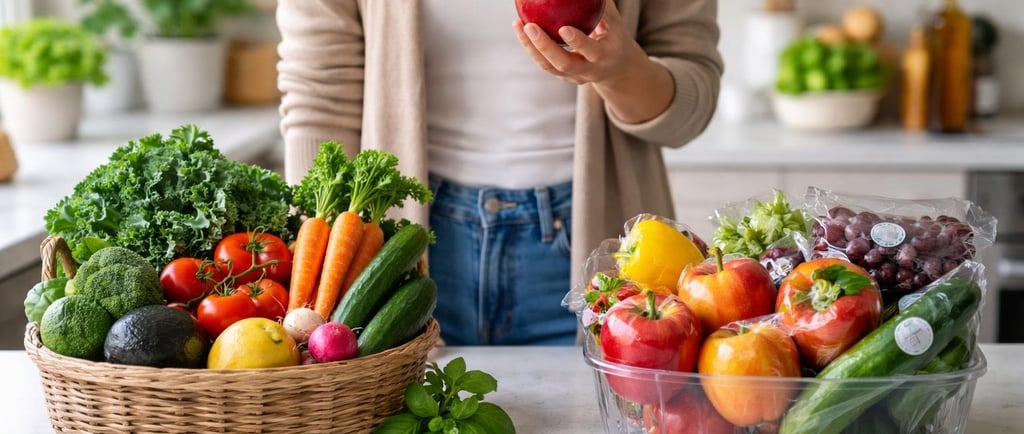
The choice between organic and non-organic products depends on your priorities regarding pesticide exposure, environmental impact, and budget constraints, with neither option being universally superior in all categories. Research shows measurable differences in production methods, chemical residues, and ecological effects, but the significance of these differences varies based on individual circumstances.
Understanding the practical distinctions between these options helps you make purchasing decisions aligned with your values and needs. Your food choices involve tradeoffs between cost, potential health effects, sustainability practices, and farming methods that deserve careful consideration rather than blanket assumptions.
Key Differences Between Organic and Non-Organic Options
Organic and non-organic foods differ primarily in their certification standards, the methods farmers use to grow them, and the types of pesticides and chemicals permitted during production.
Definition of Organic and Non-Organic Foods
Organic foods are products grown and processed according to federal standards set by the USDA's National Organic Program. For a product to carry the USDA Organic label, it must meet strict requirements including soil quality, pest control methods, and animal raising practices.
Non-organic foods, also called conventional foods, are produced using standard agricultural methods without organic certification. These products can contain synthetic fertilizers, conventional pesticides, and genetically modified organisms (GMOs). You'll find non-organic foods make up the majority of products in grocery stores.
The USDA distinguishes between several organic labels:
100% Organic: All ingredients are organic
Organic: At least 95% of ingredients are organic
Made with Organic Ingredients: At least 70% of ingredients are organic
Farming Methods and Practices
Organic farming relies on natural processes and materials to maintain soil health and control pests. Farmers use crop rotation, composting, and cover crops to build nutrient-rich soil. They manage weeds through mechanical cultivation, hand weeding, and mulching rather than chemical herbicides.
Conventional farming uses synthetic fertilizers to provide nutrients to crops quickly and efficiently. Farmers can plant the same crops in the same fields year after year with proper fertilizer application. This approach often produces higher yields per acre.
Organic livestock must have access to the outdoors and cannot receive antibiotics or growth hormones. Their feed must be 100% organic. Conventional livestock operations may use antibiotics to prevent disease and growth hormones to increase production efficiency.
Use of Pesticides and Chemicals
Organic farming permits only natural pesticides derived from plant, animal, or mineral sources. Common organic pesticides include neem oil, pyrethrin, and copper sulfate. Your organic produce may still have pesticide residues, though typically at lower levels than conventional produce.
Conventional farming uses synthetic pesticides that are often more effective at controlling pests and diseases. The EPA regulates these chemicals and sets maximum residue limits on foods. Farmers must follow specific application guidelines and waiting periods before harvest.
Both organic and conventional pesticides can pose risks if misused. The difference lies in their chemical composition and regulatory approval process rather than their complete absence in organic farming.
Health Implications of Choosing Organic vs Non-Organic
Organic and non-organic foods show minimal nutritional differences, though pesticide exposure levels vary significantly between the two categories.
Nutritional Content Comparison
Research indicates that organic and non-organic foods contain largely similar levels of vitamins, minerals, and macronutrients. A comprehensive review of multiple studies found no consistent differences in protein, vitamin C, or calcium content between organic and conventional produce.
Some studies show organic crops may contain 20-40% higher antioxidant levels, particularly polyphenols. This difference likely results from plants producing more protective compounds when grown without synthetic pesticides.
Key nutritional considerations:
Protein and carbohydrates: No measurable difference
Vitamins and minerals: Equivalent in most cases
Antioxidants: Potentially higher in organic options
Omega-3 fatty acids: May be 50% higher in organic milk and meat
Your body processes nutrients from organic and non-organic foods in the same way.
Potential Health Risks and Safety
Conventional produce contains pesticide residues at levels the EPA deems safe, though long-term exposure effects remain debated. About 70% of non-organic produce samples test positive for pesticide residues, compared to approximately 20% of organic samples.
Children may face higher risks from pesticide exposure due to their developing bodies and higher food consumption relative to body weight. Some research links certain pesticides to developmental issues and hormone disruption, though direct causation remains difficult to establish.
Organic foods carry no risk advantage regarding foodborne illness. Both organic and conventional products require proper washing and handling. The absence of synthetic pesticides doesn't prevent bacterial contamination from soil, water, or processing.
Pesticide residue levels in common foods (conventional):
Food Item Detection Rate
Strawberries 90%+
Spinach 85%+
Apples 80%+
Potatoes 75%+
Avocados <5%
Environmental and Ethical Considerations
Organic farming typically reduces synthetic chemical use and may promote biodiversity, while conventional methods often yield more food per acre. Animal welfare standards differ significantly between organic and conventional systems, affecting both livestock conditions and long-term sustainability.
Environmental Impact of Production Methods
Organic farming eliminates synthetic pesticides and fertilizers, which reduces chemical runoff into waterways and soil contamination. This approach typically supports higher biodiversity in farming areas and promotes healthier soil through crop rotation and composting practices.
Conventional farming uses synthetic inputs that can increase crop yields by 20-25% compared to organic methods. However, these chemicals may contribute to water pollution, soil degradation, and reduced insect populations over time. The higher yields mean less land is needed to produce the same amount of food, which can preserve natural habitats.
Energy use varies between both systems. Organic farms often require more mechanical weeding and cultivation, consuming additional fuel. Conventional farms rely on energy-intensive synthetic fertilizer production but may use less fuel for field operations.
Your choice affects pesticide exposure to farmworkers and nearby communities. Organic certification limits these exposures, while conventional farms must follow EPA safety standards that still permit controlled chemical applications.
Animal Welfare and Sustainability
Organic livestock standards require outdoor access, specific space allowances, and prohibit routine antibiotic use. Animals must receive organic feed and cannot be given growth hormones. These requirements typically result in better living conditions compared to conventional concentrated animal feeding operations.
Conventional systems often confine animals in smaller spaces to maximize efficiency and reduce production costs. While this increases meat and dairy output per animal, it raises concerns about animal stress, disease transmission, and quality of life.
Antibiotic use in conventional farming contributes to antimicrobial resistance, a growing public health concern. Organic standards address this by prohibiting preventive antibiotic use, though sick animals can receive treatment and lose their organic status.
The environmental footprint differs between systems. Organic livestock farming requires more land and feed per animal, potentially increasing overall resource use. Conventional operations produce more waste concentrated in smaller areas, creating manure management challenges and potential groundwater contamination.
Making an Informed Choice
Your decision between organic and non-organic products depends on budget constraints, understanding certification labels, and aligning purchases with your personal values and daily routines.
Price and Accessibility Factors
Organic products typically cost 20-100% more than conventional alternatives due to higher production costs and lower crop yields. You'll find the price gap varies significantly by product type, with organic meat and dairy showing the largest differences while items like bananas and avocados have minimal price variations.
Your local availability matters as much as price. Urban areas usually offer multiple organic shopping options through farmers markets, natural food stores, and mainstream supermarkets with dedicated organic sections. Rural areas often have limited access, though online retailers and delivery services have expanded organic product availability nationwide.
Consider prioritizing your spending by focusing on items where organic certification matters most to you. Some shoppers buy organic versions of produce known to have higher pesticide residues while choosing conventional options for items with naturally lower chemical exposure.
Reading Product Labels and Certifications
The USDA Organic seal indicates products meet strict federal standards: 95% or more organic ingredients, no synthetic pesticides, no GMOs, and no artificial preservatives. Products labeled "100% Organic" contain only organic ingredients, while those marked "Made with Organic" contain at least 70% organic ingredients but cannot display the USDA seal.
You should distinguish between organic certification and other label claims. Terms like "natural," "hormone-free," or "farm-fresh" aren't regulated the same way and don't guarantee organic production methods.
Third-party certifications such as Certified Organic from various organizations provide additional verification. Check certification numbers and certifying agency names on labels to verify authenticity.
Personal Preferences and Lifestyle
Your dietary priorities should guide purchasing decisions. If you prioritize environmental sustainability, organic farming practices reduce soil degradation and water contamination. If you're focused on minimizing synthetic chemical exposure, organic products eliminate most pesticide residues.
Taste preferences matter for some people who report noticing flavor differences in organic produce and animal products. These differences stem from farming practices, animal diets, and processing methods rather than certification alone.
Your cooking habits influence value perception. If you regularly consume produce skins or use whole fruits and vegetables in smoothies, organic options may align better with your health goals. If you primarily eat processed foods or peel most produce, the organic premium may be less justified for your lifestyle.