Beginner's Guide to Switching to Natural Skincare: Essential Steps for a Healthier Routine
Natsher Grant
3/3/2026
Making the switch to natural skincare doesn't have to be overwhelming or confusing. Many people feel uncertain about where to start when transitioning away from conventional products, but the process can be straightforward with the right information.
Natural skincare uses plant-based and mineral ingredients instead of synthetic chemicals, offering a gentler approach that works with the skin's natural processes rather than against them. The transition involves understanding ingredient labels, selecting appropriate products for one's skin type, and adjusting expectations during the initial adjustment period.
This guide walks through the fundamentals of natural skincare, from identifying truly natural products to building an effective routine. Readers will learn how to make informed choices, avoid common mistakes, and create a sustainable skincare regimen that supports long-term skin health.
What Is Natural Skincare?
Natural skincare relies on plant-based and minimally processed ingredients to cleanse, protect, and nourish the skin. These products avoid synthetic chemicals in favor of botanicals, minerals, and other naturally derived components.
Definition and Core Principles
Natural skincare refers to products formulated primarily with ingredients sourced from plants, minerals, and other natural origins. These formulations typically exclude synthetic fragrances, parabens, sulfates, and artificial colorants.
The core principle centers on using ingredients that undergo minimal processing to maintain their natural properties. Manufacturers often prioritize sustainable sourcing and environmentally friendly production methods. Transparency in ingredient lists remains a key factor, allowing consumers to identify what they apply to their skin.
Natural skincare emphasizes compatibility with the skin's natural functions rather than using harsh chemicals to force results. Products work with the skin barrier instead of disrupting it.
Common Ingredients Found in Natural Products
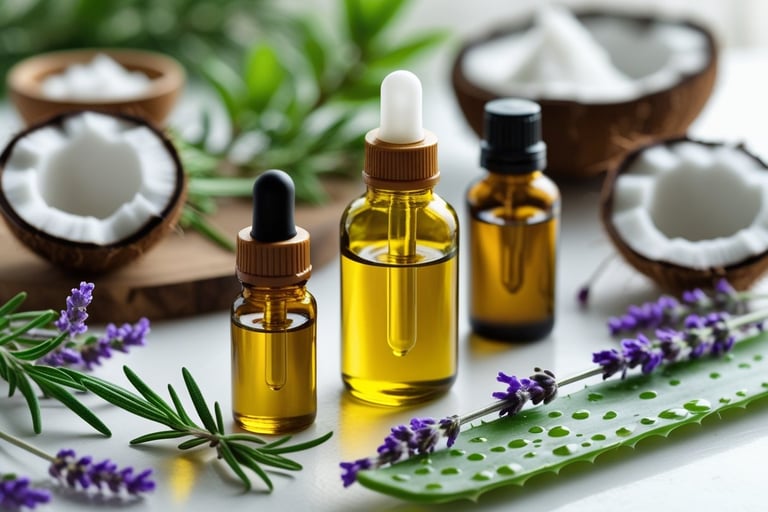
Plant oils form the foundation of many natural formulations. Jojoba oil, argan oil, and rosehip oil provide hydration and essential fatty acids. Shea butter and coconut oil serve as rich moisturizers for dry skin.
Botanical extracts offer targeted benefits:
Aloe vera soothes and hydrates
Green tea provides antioxidants
Chamomile reduces redness
Witch hazel acts as a natural astringent
Essential oils like lavender, tea tree, and frankincense add therapeutic properties and natural fragrance. Vitamin E from plant sources protects against environmental damage. Honey and beeswax provide antibacterial properties and create protective barriers on the skin.
Natural vs. Synthetic Skincare
Natural skincare uses ingredients that exist in nature or require minimal chemical alteration. Synthetic skincare contains laboratory-created compounds designed to mimic or enhance certain effects.
Synthetic ingredients offer precise formulation control and longer shelf life. They can deliver consistent results and often cost less to produce. Hyaluronic acid and retinol represent synthetic ingredients that appear in many effective products.
Natural products may have shorter shelf lives due to the absence of synthetic preservatives. They can cause allergic reactions in some individuals, as natural does not automatically mean hypoallergenic. The effectiveness of natural ingredients varies based on processing methods and concentration levels.
Neither approach is inherently superior. The choice depends on individual skin needs, sensitivities, and personal values regarding ingredient sourcing.
Benefits of Switching to Natural Skincare
Natural skincare products offer tangible advantages for skin health, reduce environmental harm, and align with ethical consumer values. These benefits stem from ingredient transparency, sustainable production methods, and cruelty-free practices.
Skin Health and Safety
Natural skincare formulations typically contain fewer synthetic chemicals, which reduces the risk of skin irritation and allergic reactions. Products made with plant-based ingredients like aloe vera, chamomile, and jojoba oil work with the skin's natural processes rather than against them.
Many conventional skincare products contain parabens, phthalates, and synthetic fragrances that can disrupt hormone function. Natural alternatives use preservatives derived from plants or minerals that pose lower health risks. This makes them particularly suitable for people with sensitive skin, eczema, or rosacea.
The bioavailability of natural ingredients means skin cells can recognize and absorb nutrients more effectively. Vitamins, antioxidants, and essential fatty acids from natural sources penetrate the skin barrier better than their synthetic counterparts. This leads to improved hydration, reduced inflammation, and better overall skin function.
Environmental Impact
Natural skincare manufacturing generates less chemical waste and pollution compared to conventional production. Plant-based ingredients break down naturally in water systems without leaving toxic residues. This protects aquatic ecosystems from contamination.
Many natural skincare brands use sustainable sourcing practices and biodegradable packaging materials. Glass containers, recyclable aluminum tubes, and compostable materials replace single-use plastics. Some companies operate zero-waste facilities or use renewable energy in production.
The agricultural practices behind natural ingredients often support soil health and biodiversity. Organic farming methods avoid synthetic pesticides that harm beneficial insects and contaminate groundwater. This creates a smaller environmental footprint from farm to finished product.
Ethical Considerations
Natural skincare brands frequently commit to cruelty-free testing methods, avoiding animal experimentation entirely. Many pursue certifications from organizations like Leaping Bunny or PETA to verify their practices. This addresses growing consumer demand for ethical products.
Fair trade partnerships ensure farmers and workers receive fair wages for harvesting natural ingredients. These relationships support local communities in developing regions where botanical ingredients originate. Transparency in supply chains allows consumers to trace ingredients back to their sources.
Some natural skincare companies donate portions of profits to environmental or social causes. They often prioritize worker safety and equitable labor practices in their facilities. This creates a purchasing decision that extends beyond personal benefit to broader social impact.
How to Transition Your Skincare Routine
Moving to natural skincare requires understanding personal skin needs and replacing products systematically to avoid overwhelming the skin. A careful approach prevents adverse reactions while allowing time to assess each new product's effectiveness.
Identifying Your Skin Type
Knowing one's skin type is essential before selecting natural products. The five main types are normal, dry, oily, combination, and sensitive.
Normal skin appears balanced with minimal blemishes and moderate sebum production. Dry skin feels tight, shows flaking, and lacks moisture. Oily skin produces excess sebum, appears shiny, and is prone to enlarged pores and breakouts.
Combination skin exhibits oily areas in the T-zone (forehead, nose, chin) while other areas remain dry or normal. Sensitive skin reacts easily to products, showing redness, irritation, or stinging sensations.
To determine skin type, one should wash their face with a gentle cleanser, pat dry, and wait one hour without applying products. After this period, blotting paper or visual observation reveals sebum levels and overall skin condition.
Steps for Gradual Product Replacement
The safest method involves replacing one product every two to four weeks. This timeline allows the skin to adjust and makes identifying problematic ingredients easier if reactions occur.
Start with products that contact skin briefly, such as cleansers. These rinse off quickly and pose lower risk for irritation. Next, replace toners or essences, followed by serums and moisturizers.
Leave-on treatments like serums and moisturizers require more caution since they remain on skin for extended periods. Replace active treatment products (retinol alternatives, exfoliants) last, as these have the strongest effects.
Keep a log noting the product name, replacement date, and any skin changes. This documentation helps track which natural products work well and which cause issues.
Tips for Minimizing Reactions
Patch testing prevents full-face reactions to new products. Apply a small amount behind the ear or on the inner forearm for 24-48 hours before facial use.
Introduce products one at a time rather than switching an entire routine simultaneously. This practice isolates potential irritants and prevents confusion about which product causes problems.
Watch for common reaction signs: redness, itching, burning, increased breakouts, or unusual dryness. Minor purging may occur with some natural actives, but severe reactions warrant immediate discontinuation.
Maintain a simplified routine during transition. A basic cleanser, moisturizer, and sunscreen suffice while the skin adapts. Additional products can be added once the skin stabilizes with the foundational items.
Choosing the Right Natural Skincare Products
Natural skincare products require careful evaluation of ingredients and an understanding of what "natural" actually means in the beauty industry. Products labeled as natural can contain synthetic ingredients, and not all natural ingredients are suitable for every skin type.
Understanding Ingredient Labels
The term "natural" has no legal definition in skincare, so manufacturers can use it loosely. Readers should look for specific ingredient names rather than marketing terms on the front of packaging.
Key ingredients to recognize include plant oils (jojoba, rosehip, argan), botanical extracts (chamomile, green tea, aloe vera), and natural preservatives (vitamin E, rosemary extract). The ingredient list appears in descending order by concentration, meaning the first five ingredients make up the majority of the product.
Red flags to watch for:
Parabens (methylparaben, propylparaben)
Synthetic fragrances listed as "parfum" or "fragrance"
Mineral oils and petrolatum
Sulfates (SLS, SLES)
Certifications like USDA Organic, COSMOS, or Ecocert indicate third-party verification of natural claims. These certifications have specific requirements for ingredient sourcing and processing methods.
Avoiding Common Misconceptions
Natural doesn't automatically mean hypoallergenic or gentle. Essential oils, a common natural ingredient, can cause irritation and allergic reactions in sensitive skin types.
Price doesn't indicate product quality or naturalness. Expensive products may contain the same synthetic fillers as drugstore brands. Some affordable brands offer genuinely natural formulations with transparent ingredient lists.
The "chemical-free" claim is scientifically impossible since everything, including water, is made of chemicals. This marketing term misleads consumers into thinking natural products lack chemical compounds.
Preservatives in natural skincare serve an important function. Products without adequate preservation can grow bacteria, mold, and yeast, which pose health risks. Natural preservatives like leucidal liquid or sodium benzoate are safer alternatives to synthetic options.
Recommended Products for Beginners
A basic natural skincare routine requires three products: cleanser, moisturizer, and sunscreen.
Cleanser options:
Oil-based cleansers with jojoba or sweet almond oil for dry skin
Gel cleansers with aloe vera and witch hazel for oily skin
Cream cleansers with shea butter for combination skin
Moisturizer ingredients to seek:
Hyaluronic acid (plant-derived) for hydration
Squalane from olives or sugarcane for all skin types
Shea butter or coconut oil for dry skin
Sunscreen remains the most challenging natural product to find. Mineral sunscreens with zinc oxide or titanium dioxide provide broad-spectrum protection without synthetic chemical filters.
Beginners should introduce one new product every two weeks. This approach allows time to identify any adverse reactions and determine product effectiveness before adding another item.
Maintaining a Natural Skincare Regimen
Consistency forms the foundation of effective natural skincare, while seasonal adjustments ensure products work optimally year-round.
Daily and Weekly Routines
A morning routine should include cleansing, toning, and moisturizing with natural products. Most people benefit from applying a plant-based serum before moisturizer to maximize absorption of active ingredients.
Evening routines require an additional cleansing step to remove makeup and environmental pollutants. A person should apply heavier oils or night creams at this time, as the skin repairs itself during sleep.
Essential daily steps:
Morning: cleanser, toner, serum, moisturizer, SPF
Evening: double cleanse, toner, treatment products, night cream
Weekly maintenance includes exfoliation 1-2 times for most skin types. Clay masks work well for oily skin, while hydrating masks suit dry complexions. A person with sensitive skin should limit exfoliation to once weekly or biweekly.
Natural products require proper storage away from heat and direct sunlight. Most formulations last 3-6 months after opening due to the absence of synthetic preservatives.
Adapting to Seasonal Changes
Winter conditions demand richer moisturizers and face oils to combat indoor heating and cold winds. A person may need to switch from lightweight lotions to cream-based formulas containing ingredients like shea butter or avocado oil.
Summer skincare requires lighter textures to prevent clogged pores in humid weather. Gel-based cleansers and water-based moisturizers work better during warmer months. Natural mineral sunscreens become essential for daily outdoor activities.
Spring and fall serve as transition periods. A person should gradually introduce new product weights rather than making abrupt changes. These seasons often trigger sensitivity, so patch testing new natural ingredients becomes particularly important.
Seasonal product adjustments:
Winter: thick creams, facial oils, gentle cleansers
Summer: lightweight gels, water-based formulas, increased SPF
Spring/Fall: moderate textures, barrier repair products