Apple Cider Vinegar Rinse: Benefits for Scalp Health and Hair Care
Natsher Grant
3/3/2026


Apple cider vinegar has gained attention as a natural remedy for various hair and scalp concerns, from dandruff to product buildup. Many people wonder if this kitchen staple can truly improve their scalp health or if it's just another passing trend.
An apple cider vinegar rinse can help balance scalp pH, remove product buildup, and reduce fungal growth that contributes to dandruff and itching. The acidic nature of apple cider vinegar works to restore the scalp's natural protective barrier while clarifying hair strands. Research supports some of these benefits, though results vary based on individual scalp conditions and proper application methods.
Understanding how to use apple cider vinegar correctly makes the difference between seeing improvements and experiencing irritation. This guide explores the science behind apple cider vinegar rinses, practical application techniques, and important precautions to consider before adding this treatment to a hair care routine.
What Is an Apple Cider Vinegar Rinse?
An apple cider vinegar rinse is a diluted solution applied to hair and scalp as a clarifying treatment, valued for its acidity and natural compounds that help balance pH levels and remove buildup.
Definition and Basic Properties
An apple cider vinegar rinse consists of raw or filtered apple cider vinegar mixed with water in specific ratios. The solution typically contains acetic acid, which gives it a pH level between 2.5 and 3.5.
This acidity helps close hair cuticles and restore the scalp's natural pH balance, which normally ranges from 4.5 to 5.5. The vinegar contains trace amounts of vitamins, minerals, and organic acids produced during fermentation.
Raw, unfiltered apple cider vinegar includes the "mother," a cloudy substance composed of beneficial bacteria and enzymes. Filtered versions lack this component but retain the acetic acid content necessary for clarifying purposes.
Common Preparation Methods
The standard dilution ratio ranges from 1 tablespoon to 2 tablespoons of apple cider vinegar per 1 cup of water. Users with sensitive scalps should start with weaker concentrations, while those with significant buildup may use stronger mixtures.
Some people prepare the rinse in a spray bottle for targeted application, while others mix it in a container for pouring over the hair. The solution can be applied to damp hair after shampooing or used as a standalone cleansing treatment.
Most preparations are made fresh before each use, though the mixture can be stored in a sealed container for up to one week. Adding essential oils like lavender or rosemary helps mask the vinegar scent without compromising effectiveness.
Historical Use for Scalp Care
Apple cider vinegar has been used as a hair treatment since ancient times, with records indicating its use in Roman and Egyptian beauty practices. Traditional medicine systems valued fermented vinegar for its cleansing and antimicrobial properties.
During the 19th and early 20th centuries, vinegar rinses became popular home remedies for dandruff and scalp irritation before commercial hair products dominated the market. The practice experienced a resurgence in recent decades as consumers sought natural alternatives to conventional hair care products.
Folk medicine traditions across various cultures recommended vinegar for maintaining scalp health and adding shine to hair. These historical applications laid the groundwork for modern interest in apple cider vinegar as a scalp treatment.
How Apple Cider Vinegar Benefits Scalp Health
Apple cider vinegar offers specific advantages for scalp health through its acidic composition and antimicrobial properties. These benefits address common scalp concerns by regulating pH levels, eliminating product residue, and promoting a balanced microbial environment.
Maintaining Scalp pH Balance
The scalp's natural pH ranges between 4.5 and 5.5, creating a slightly acidic environment that protects against irritation and infection. Many hair care products, particularly shampoos, have alkaline pH levels between 6 and 8, which can disrupt this balance.
Apple cider vinegar contains acetic acid with a pH of approximately 2.5 to 3.5. When diluted properly, it helps restore the scalp's acidic mantle after washing. This restoration strengthens the hair cuticle and reduces the risk of bacterial and fungal growth.
A balanced pH also minimizes frizz and improves hair texture. The acidic rinse flattens the hair cuticle layer, which reflects more light and creates smoother strands.
Cleansing and Removing Buildup
Product buildup from styling products, silicones, and mineral deposits accumulates on the scalp over time. This residue can clog hair follicles, reduce moisture absorption, and create a dull appearance.
Apple cider vinegar acts as a clarifying agent due to its acidic nature and alpha-hydroxy acids. These components break down buildup without stripping natural oils completely. The rinse dissolves residue that regular shampoo may leave behind, including hard water minerals like calcium and magnesium.
Regular use helps maintain clean follicles, which promotes healthier hair growth. It removes excess sebum that can contribute to greasiness while preserving the scalp's protective lipid barrier.
Supporting the Scalp Microbiome
The scalp hosts a diverse community of microorganisms that maintain skin health. Imbalances in this microbiome contribute to conditions like dandruff, seborrheic dermatitis, and itching.
Apple cider vinegar contains antimicrobial compounds, including acetic acid and polyphenols, that inhibit harmful bacteria and fungi. Studies show it can reduce the growth of Malassezia, a yeast associated with dandruff and scalp inflammation. The vinegar's acidity creates an inhospitable environment for pathogenic organisms while supporting beneficial microbes adapted to acidic conditions.
This antimicrobial action reduces inflammation and itching without disrupting the entire scalp ecosystem. The rinse provides a gentler alternative to harsh antifungal treatments for mild scalp concerns.
Improving Hair and Scalp Conditions
Apple cider vinegar rinses address several common scalp and hair concerns through their acidic pH and antimicrobial properties. The acetic acid in ACV helps restore the scalp's natural pH balance while targeting issues like excess oil, microbial overgrowth, and product buildup.
Reducing Dandruff and Flakiness
Apple cider vinegar's antimicrobial properties help combat Malassezia, a yeast that contributes to dandruff formation. The acetic acid in ACV creates an inhospitable environment for this fungus while helping to remove dead skin cells that accumulate on the scalp.
A diluted ACV rinse works to balance the scalp's pH level, which typically sits between 4.5 and 5.5. When the scalp becomes too alkaline, it becomes more susceptible to flaking and irritation. Regular use of an ACV rinse can help maintain this optimal pH range.
The rinse also removes product buildup that can trap dead skin cells and exacerbate flaking. Users typically apply a solution of one to two tablespoons of ACV mixed with one cup of water after shampooing, allowing it to sit for a few minutes before rinsing.
Soothing Itchiness and Irritation
The anti-inflammatory properties of apple cider vinegar help calm irritated scalp tissue. Its acetic acid content reduces inflammation while its antimicrobial action addresses bacterial or fungal causes of itchiness.
ACV's ability to restore pH balance plays a crucial role in reducing scalp irritation. An overly alkaline scalp often experiences increased sensitivity and discomfort. The rinse helps neutralize this imbalance quickly.
For those with sensitive scalps, dilution ratios matter. Starting with a weaker concentration of one tablespoon ACV to two cups of water allows the scalp to adjust without additional irritation. The cooling sensation many users report comes from improved circulation rather than any menthol-like properties.
Enhancing Hair Shine and Softness
Apple cider vinegar smooths the hair cuticle by lowering the pH of hair strands. When cuticles lie flat, they reflect more light and create a shinier appearance. This physical change happens because the acidic solution causes the cuticle scales to contract and seal.
The rinse removes mineral deposits from hard water and residue from styling products that dull hair's natural luster. Clean hair shafts without coating or buildup naturally appear more vibrant and feel softer to the touch.
ACV rinses work particularly well for those with coarse or porous hair types. These hair structures benefit most from cuticle smoothing effects. The treatment typically requires only once or twice weekly application to maintain results without over-processing the hair.
Application Guidelines for Maximum Effectiveness
Proper dilution and application technique determine whether an apple cider vinegar rinse delivers benefits or causes scalp irritation. The concentration, frequency, and individual skin sensitivity all play critical roles in achieving optimal results.
How to Use Apple Cider Vinegar Safely
The application process begins with diluting apple cider vinegar in water before it touches the scalp. Users should mix the solution in a container or applicator bottle for even distribution.
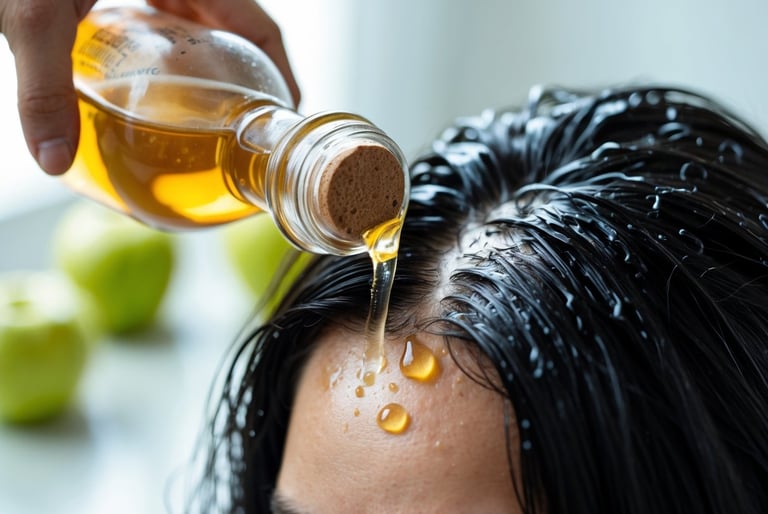
After shampooing, individuals should pour or spray the diluted mixture onto the scalp and hair, focusing on the roots. Gentle massage helps distribute the rinse across all areas. The solution should remain on the scalp for 2-5 minutes before rinsing thoroughly with cool or lukewarm water.
Some people prefer applying the rinse to damp hair in sections using fingers or an applicator bottle with a nozzle tip. This method allows for more precise targeting of problem areas. Others find it easier to pour the entire mixture over their head while leaning over a sink or in the shower.
The final rinse with plain water is essential to remove all traces of vinegar and prevent lingering odor.
Frequency and Dilution Ratios
The standard dilution ratio ranges from 1 part apple cider vinegar to 2-4 parts water, depending on scalp sensitivity. First-time users should start with a weaker concentration of 1:4 and gradually increase strength if needed.
Hair Type Dilution Ratio Frequency
Normal 1:2 to 1:3 1-2 times per week
Oily 1:2 2-3 times per week
Dry 1:4 Once per week
Color-treated 1:4 Once every 2 weeks
Most people achieve results using the rinse once or twice weekly. Daily use is not recommended as it can disrupt the scalp's natural pH balance and strip protective oils. Those with particularly oily scalps may increase frequency to three times weekly, while individuals with dry or sensitive skin should limit application to once every 7-10 days.
Precautions and Skin Sensitivities
Undiluted apple cider vinegar can cause chemical burns, redness, and severe irritation due to its high acidity. Anyone with open wounds, cuts, or active scalp conditions should avoid use until the skin heals completely.
Individuals with sensitive skin should perform a patch test on the inner arm 24 hours before applying the rinse to their scalp. Signs of adverse reactions include burning, excessive redness, itching, or rash development.
People with eczema, psoriasis, or seborrheic dermatitis should consult a dermatologist before incorporating vinegar rinses into their routine. The acidity may exacerbate these conditions in some cases. Those who experience persistent stinging or discomfort during application should immediately rinse with water and discontinue use.
Potential Side Effects and Limitations
Apple cider vinegar rinses can cause scalp irritation, chemical burns, or hair damage when used improperly. The acidic nature of vinegar may interact negatively with certain hair treatments, and several common claims about its benefits lack scientific support.
Recognizing Adverse Reactions
Undiluted apple cider vinegar has a pH of 2-3, which can burn the scalp and damage hair cuticles. Users may experience redness, itching, or a burning sensation during or after application.
Chemical burns from concentrated vinegar can lead to blistering, peeling skin, and temporary or permanent hair loss in severe cases. People with sensitive skin, eczema, or psoriasis face higher risks of adverse reactions.
Common warning signs include:
Intense stinging or burning during application
Persistent redness lasting more than a few hours
Dry, brittle hair texture after rinsing
Increased hair breakage or shedding
Interactions With Other Hair Products
Chemical treatments like relaxers, perms, and keratin treatments become less effective or unpredictable when combined with acidic rinses. The vinegar can strip newly applied color treatments, causing fading or uneven tones within days.
Protein treatments and deep conditioners may not bond properly to the hair shaft after vinegar application. The acidic environment can also destabilize certain preservatives in commercial shampoos and styling products.
Users should wait at least 48-72 hours after chemical treatments before using apple cider vinegar rinses. Hair that has been bleached or heavily processed is particularly vulnerable to damage from acidic products.
Myths and Misconceptions
Apple cider vinegar does not promote hair growth or prevent hair loss, despite widespread claims. No scientific evidence supports its ability to treat dandruff more effectively than medicated shampoos containing zinc pyrithione or ketoconazole.
The belief that vinegar can permanently alter hair texture or close hair follicles is false.
Claims that apple cider vinegar detoxifies the scalp or removes product buildup better than clarifying shampoos lack supporting research.